Living Abroad

How to Handle Your Hong Kong Visa Run
A ‘visa-run’ to Hong Kong is a trip which many teachers face during their time in China. With the exception of the time spent in the Chinese consulate with the visa application process, these days can prove to be a welcome holiday, and Hong Kong has a lot to offer for travelers on both a tight schedule and a tight budget. Recently I spent 3 days in Hong Kong, but in reality after time spent in the embassy and travelling to and from the airport, I had 1 and a half days of free time, and here is a taste of what I did, and hopefully you can find something which appeals to you for when you next visit…
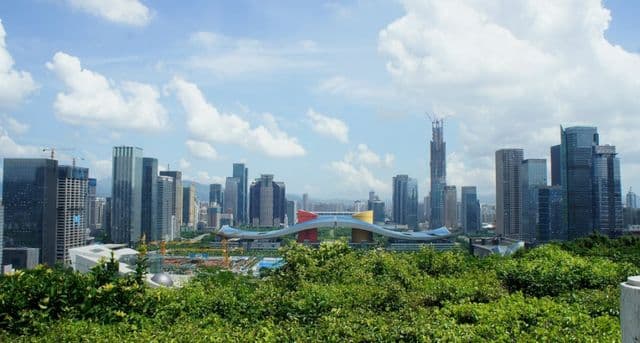
Five Mind Blowing Facts About China
1. Fortune Cookies are not Chinese Imagine my surprise when I discovered that restaurants in China don’t serve fortune cookies with every meal. Worse, they’re nowhere to be found, and I have yet to meet a waiter who understands exactly what it is that I am looking forr. That’s because fortune cookies originated in California, […]
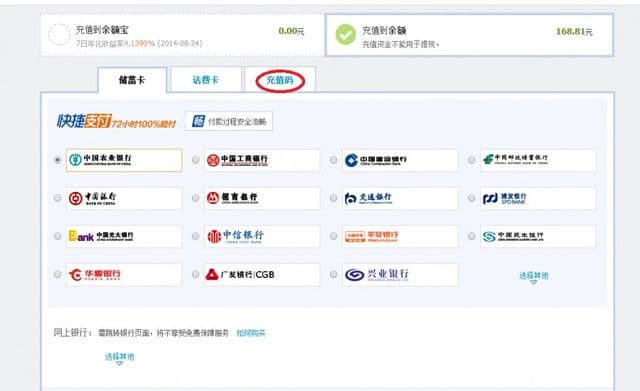
The Ultimate Taobao Guide for Foreigners
Click here for part 2 – Searching and Checking out on Taobao! When I first moved to Shanghai, China to teach ESL, one of the main problems I faced was being able to find the things I needed. Being in a new country and not speaking any Chinese made it difficult to find what I was looking for. Not to mention, some of the things that I was accustomed to buying in America are not available in many stores here. This is even more true of some of the smaller, less international cities in China.

How to get out of the foreigner bubble
Written by our friends at The Dragon Trip When in Rome, do as the Romans do. China may be a far cry from the hometown of wine and pizza, but the saying still applies – if you want to make the most out of being in an exciting new environment, make sure you immerse yourself fully in the local way of life. If you’re already in China, it’s likely that you’ve met two very different types of foreigners; there are the ones who move around the city with ease, can act as your translator whenever you are together, and generally seem to be getting more out of their time in China; and then there are those who very rarely leave their expat-friendly complex, unless they are heading to Element Fresh or Wagas. Without a doubt, any person who can muster up the courage to begin a brand new life in China deserves two gigantic thumbs up, but if you’re finding it a little difficult to fully immerse yourself in this very foreign culture, we may just have a few tips to help you along.

15 Things You Can Do In China But Not In The U.S.
Buy Beer in a bag. In many parts of China, you can buy beer by the kilogram. You walk to the store, take a plastic bag off of the beer tap, pour the beer in the plastic bag, weigh the bag and pay accordingly. Then you head down to neighborhoods that are Centuries old, or ancient imperial parks just sipping on your beer. Try doing that next time you’re visiting Liberty Bell.
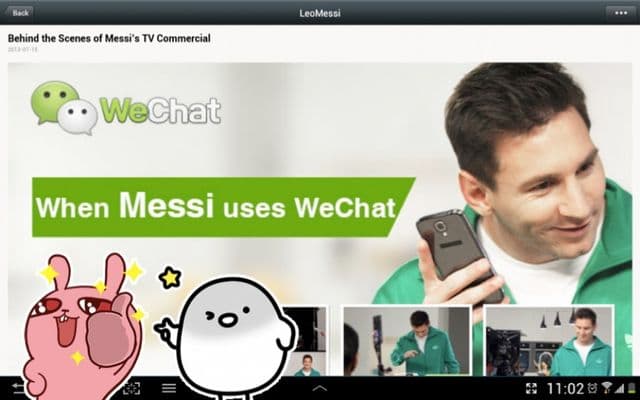
5 things you didn’t know about WeChat
For those of you already teaching in China, you will know exactly what WeChat is, and chances are you will have used it dozens of times today. For those of you who are soon going to be joining us over here, I recommend that you download the app now… and get ready to transform the way you communicate to your friends, family, colleagues and manage your social media.
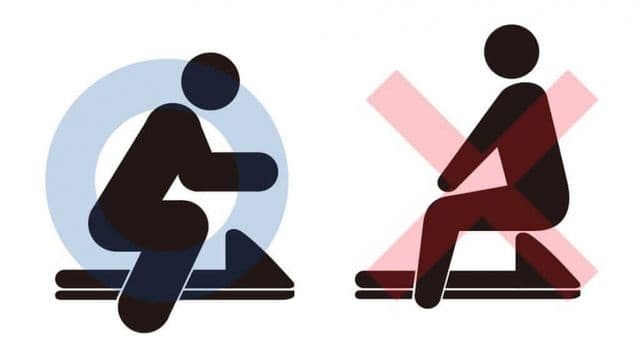
Asian Squat Toilet vs. Western Sit Toilet: The Down and Dirty
If you’ve been teaching in China, then you’ve probably used the so-called squatting toilet. Abhorred my many foreigners, this toilet forces you to squat down when going number two, greatly reducing the comfort of your bathroom visit. Some say it’s a backward and demeaning practice, others laud the squatting toilet for its naturalist approach to bowel movements. Considering the many debates we’ve had with both foreign and Asian colleagues and friends about the benefits and drawbacks of the squatter, we decided to delve into the world of toilets and look deeper into (1) The history of the western toilet (2) The proposed health benefits of the squatting toilets.
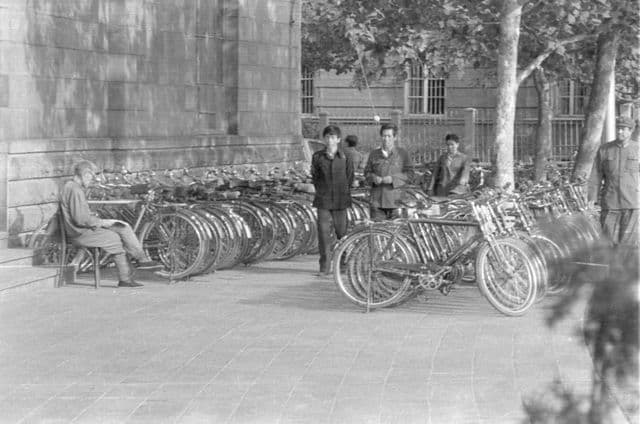
The Growth of China in 15 photos
China’s massive growth spurt over the last 20 years has been well popularized by the international media. A GDP growth rate that has hovered around 10% since Deng Xiao Ping’s Economic reforms in the early 1980s. China consumes twice as much steel as Japan, USA and Europe combined. China will build 50,000 sky scrapers by 2025, the equivalent of 10 New York Cities. More people will move from the country side to the city between now and 2030 than the entire current US population, the biggest and fastest urban migration in the history of the planet. In the period between 1981 and 2010 approximately 680 million Chinese people were lifted above the poverty line.

Watching the World Cup in Shanghai
Yes it’s finally that time, the event football (that’s soccer for you sodden Americans out there) fans around the world eagerly wait for is finally here….the FIFA World Cup. Every four years a nation is united and collectively holds its breathe in anticipation, giving the chance for players to carve themselves a reputation amongst the games immortal heroes, or collapse under the relentless pressure of an expecting nation on the biggest of world stages.

Reverse Culture Shock
One difficult part of life as a foreign teacher in China that unfortunately is often overlooked is the ‘reverse culture shock’ experienced when a teacher returns to their home country. In general, the global experience is often highly stimulating and exciting. The foreign teacher is often in a position of higher power and autonomy, and also enjoys a higher standard of life with higher levels of disposable income as the cost of living in China is relatively low. However, when returning home it is often assumed that the teacher will merely slot back perfectly into the home country and company just as it was previously. As crazy as it sounds when talking about your home country, usually, the repatriate has to relearn an old culture again, but it is often viewed from a different and less understanding perspective then when first experiencing a completely new culture. Frequently the returning teacher is shown little to no sympathy by their peers and friends, as from their viewpoint the teacher has been incredibly lucky to have the opportunity of such an amazing experience and all the other benefits that come with the role, and they are now merely complaining as they have to come back down to ‘reality’. All of this can potentially lead to feelings of being underappreciated and sometimes a loss of direction in life. Unless a person has experienced repatriation themselves they simply cannot relate to the individual, and this lack of understanding can prove to be very frustrating for the repatriate as they find it difficult to relate the value of their international experience to their family, friends, and colleagues.
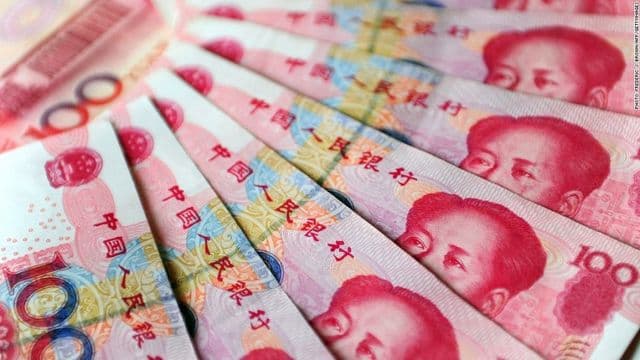
5 ways to save money while living in China
Moving to China is a fantastic and life altering experience, particularly for someone who has never lived abroad before. Seeing the world through the lens of another society, one with a radically different culture and history and a vastly different center of focus inevitably changes how you view the world and your own society back home. This makes teaching in China rewarding in and of itself. However for most of us rewarding cultural experiences don’t pay off student loans. So for those of us without the benefit of a well-padded bank vault here are some tips for saving money will living in the middle kingdom.

Five Tips To Survive Your First Three Months In China
Living in China has always been at the back of my mind since I interned in Shanghai in 2009. During that summer I fell in love with the city, the people and the adventures; I knew I wanted to come back and call this city “home”. Deciding to move was the easy part, and actually making the move was much harder than I could have imagined. Boston was my home for the past 9 years. While it was hard to say goodbye, the excitement of the great unknown helped me to look forward. I was not able to secure a job before I moved but I took a leap of faith and came on a three month tourist visa. With three suitcases, I landed in Pudong International Airport and thus began the most exhilarating yet stressful first 90 days of my life! Whether you are teaching in China or moving here for other reasons, here are five tips on how I survived the first 3 months in China: